Claimed Court

Back to Portfolio

Problem

Transform a personal concept into a customer-ready physical product. Move from initial sketches and product use stories to high-fidelity CAD documents, a detailed Bill of Materials (BOM), and a final product. The continuous learning various machining processes (milling, turning, welding, tube bending, woodworking, casting) was required to ensure the prototype met the requirements for both functional performance and scaled production.

Outcome

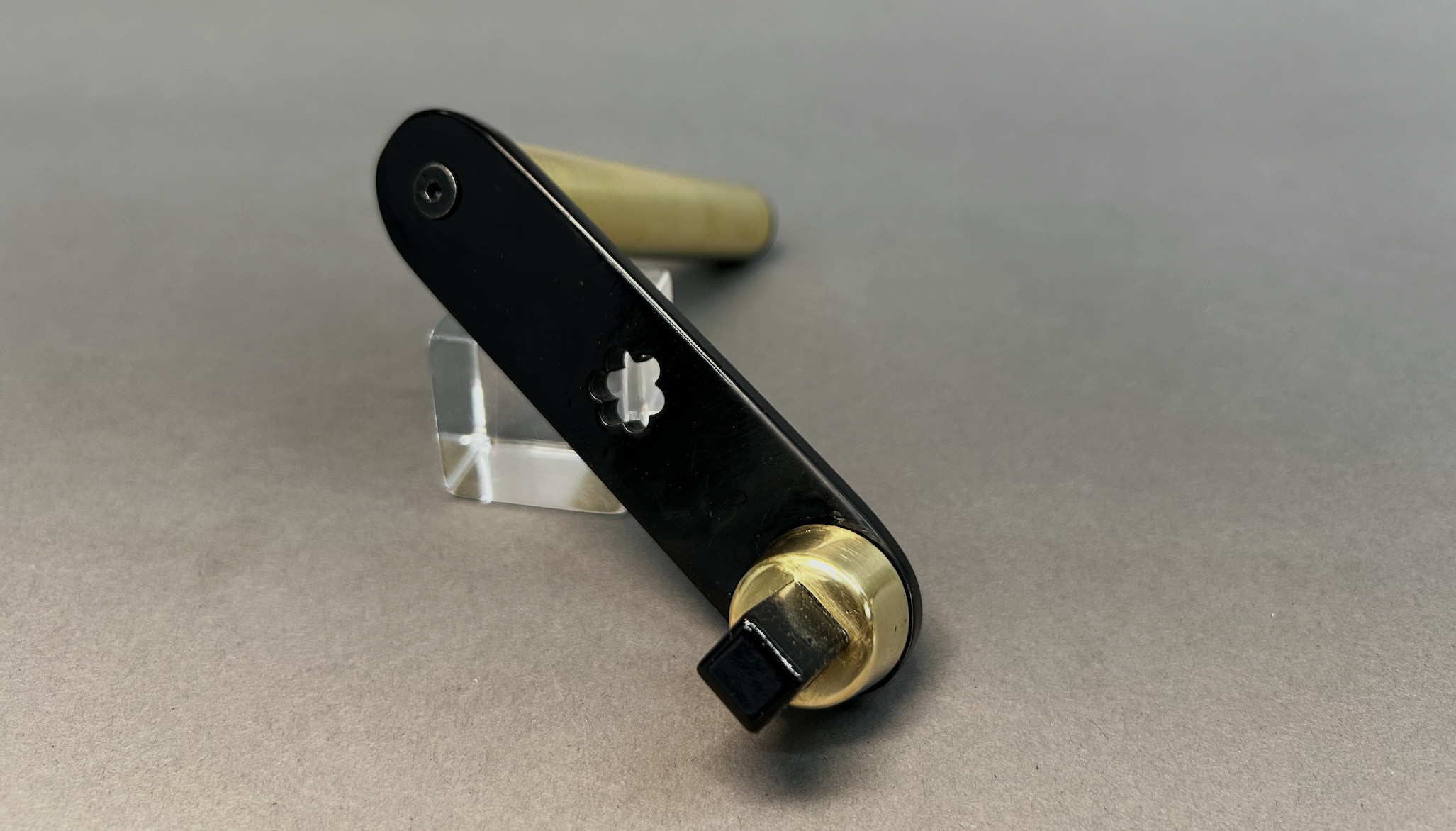
My projec evolved from a failed sand-casting attempt for a custom cat scratch post into a high-precision volleyball tensioning crank. By navigating the full development cycle I successfully engineered a robust, professional-grade solution. This project served as a technical "reclamation" of my passion for volleyball, culminating in a customer-ready prototype that balances intricate mechanical design with the practical guidelines of scaled manufacturing.
Design

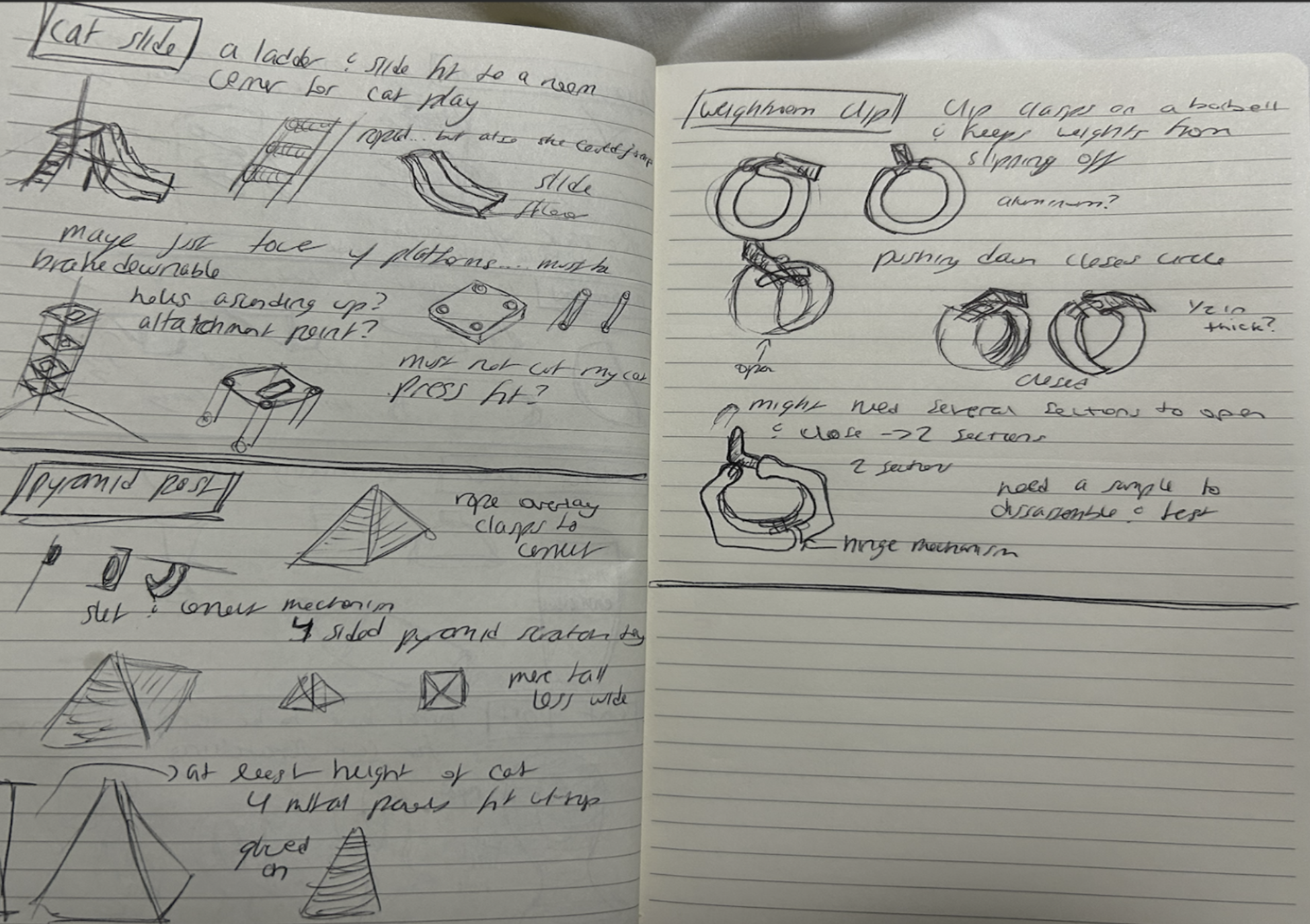
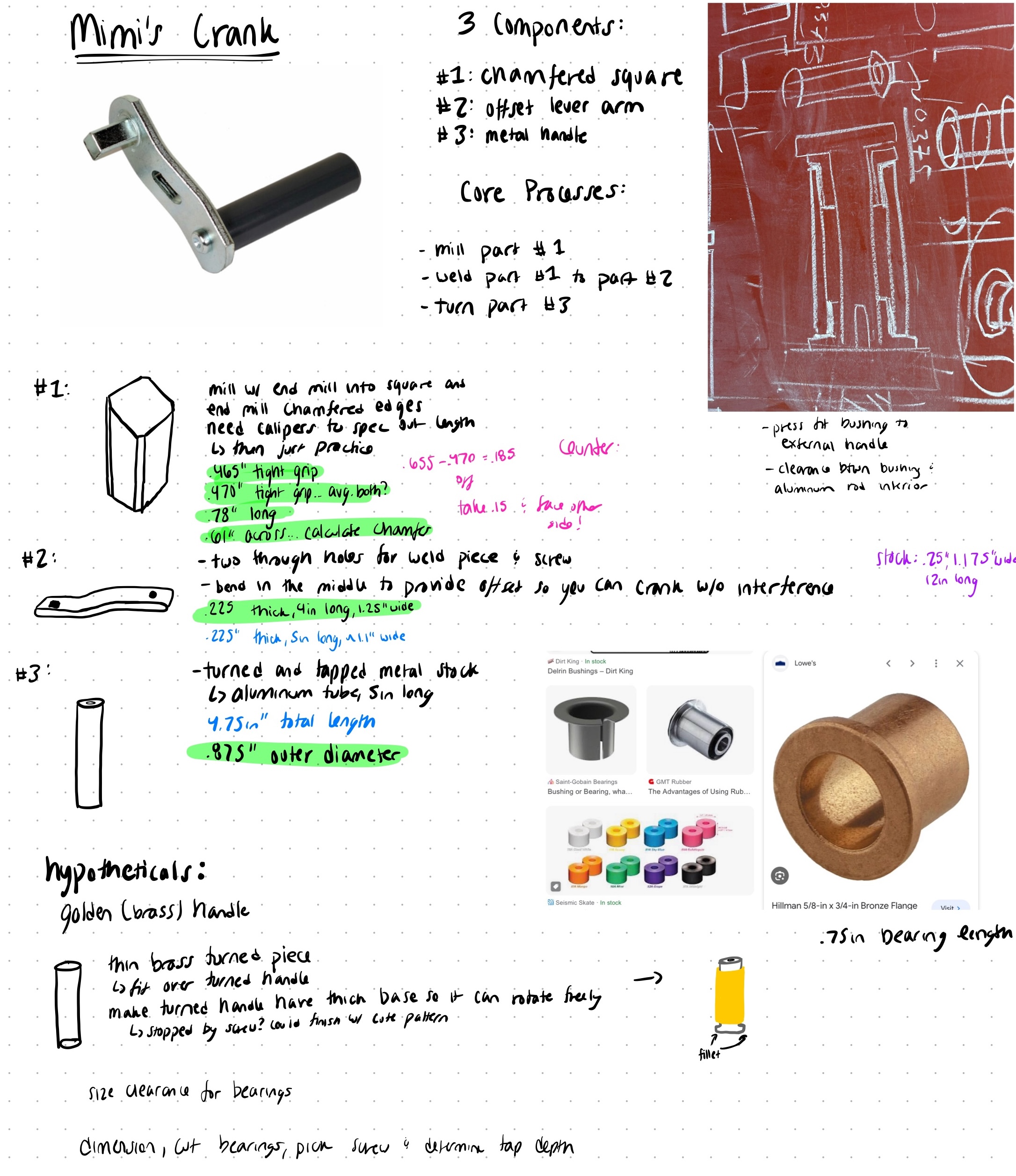
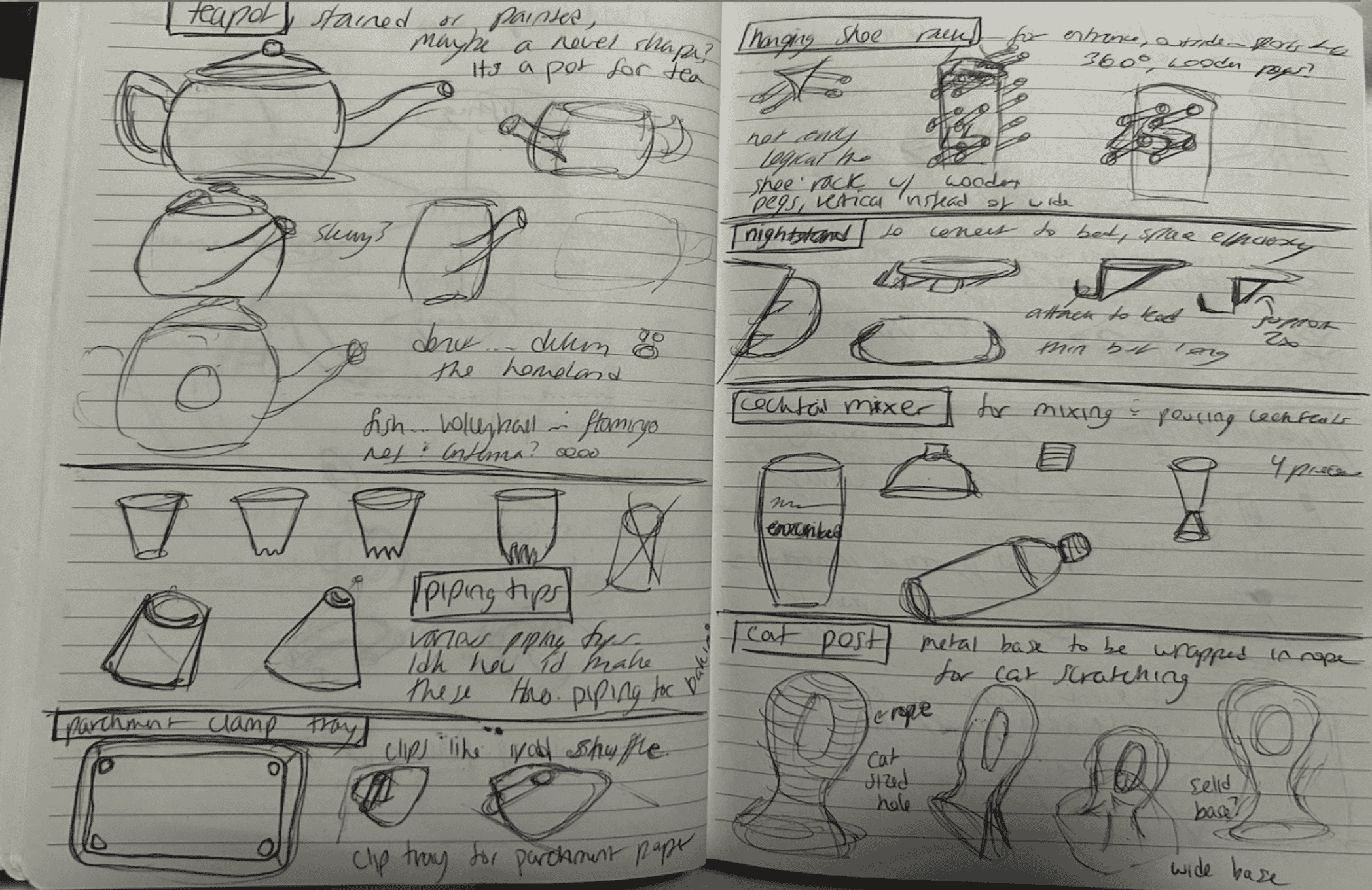
The ideation process included sketching for various projects that aligned with some of my more particular interests, including baking, my cat, and volleyball and fitness. These candidate sketches are displayed below.
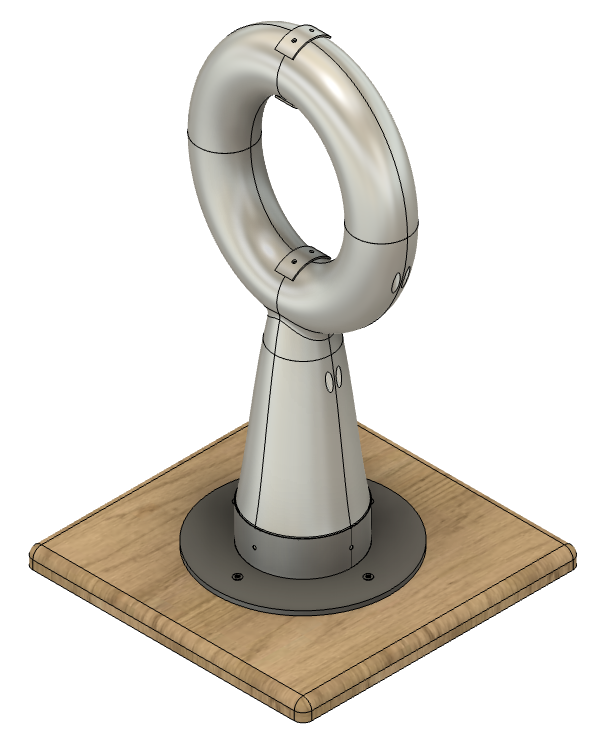
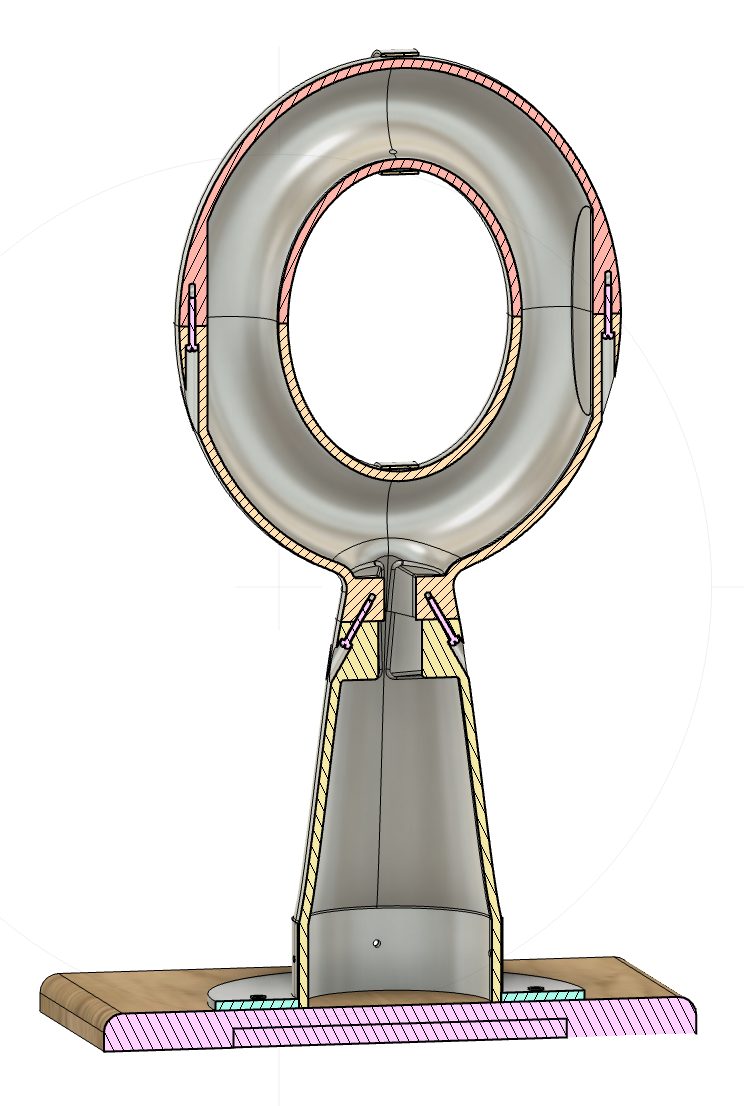
CAD models were created for both designs. For the original, it included aluminum cast parts, bent sheet metal joiners, a steel flange and a wooden base.

Screws for joining are also included in the model, along with a steel plate embedded in the wooden base to ensure stability and limit danger to the cat.
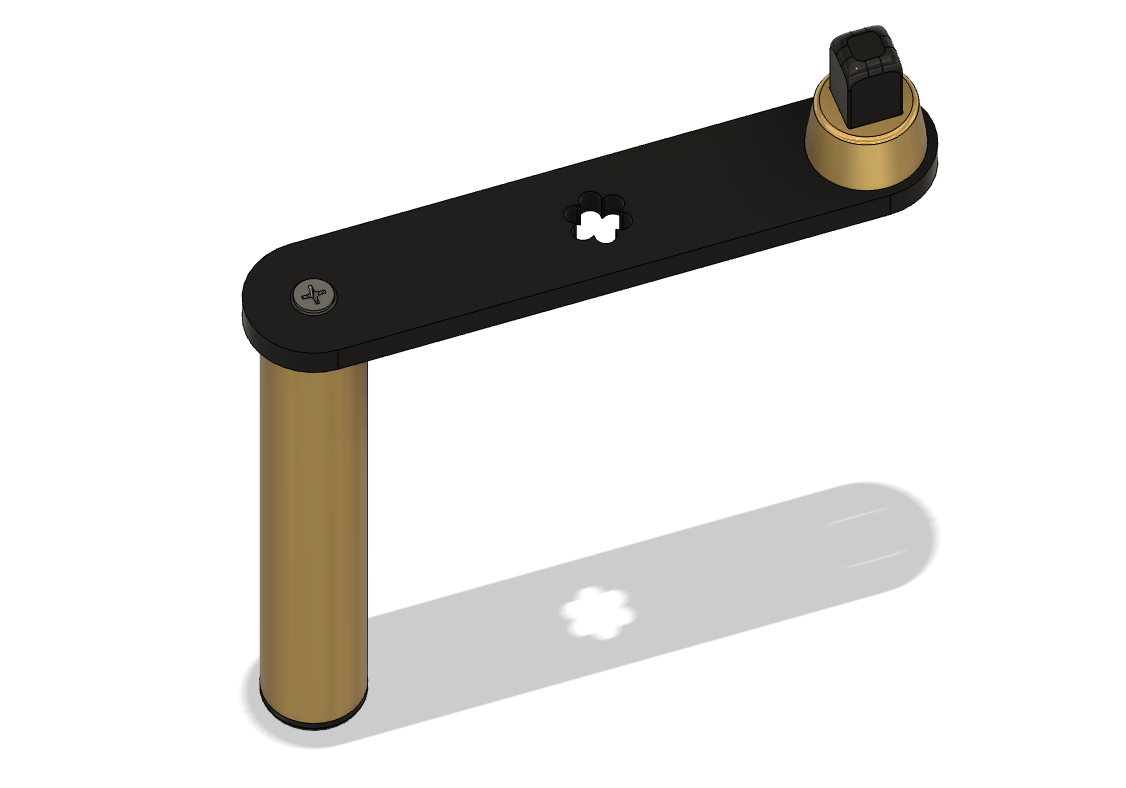
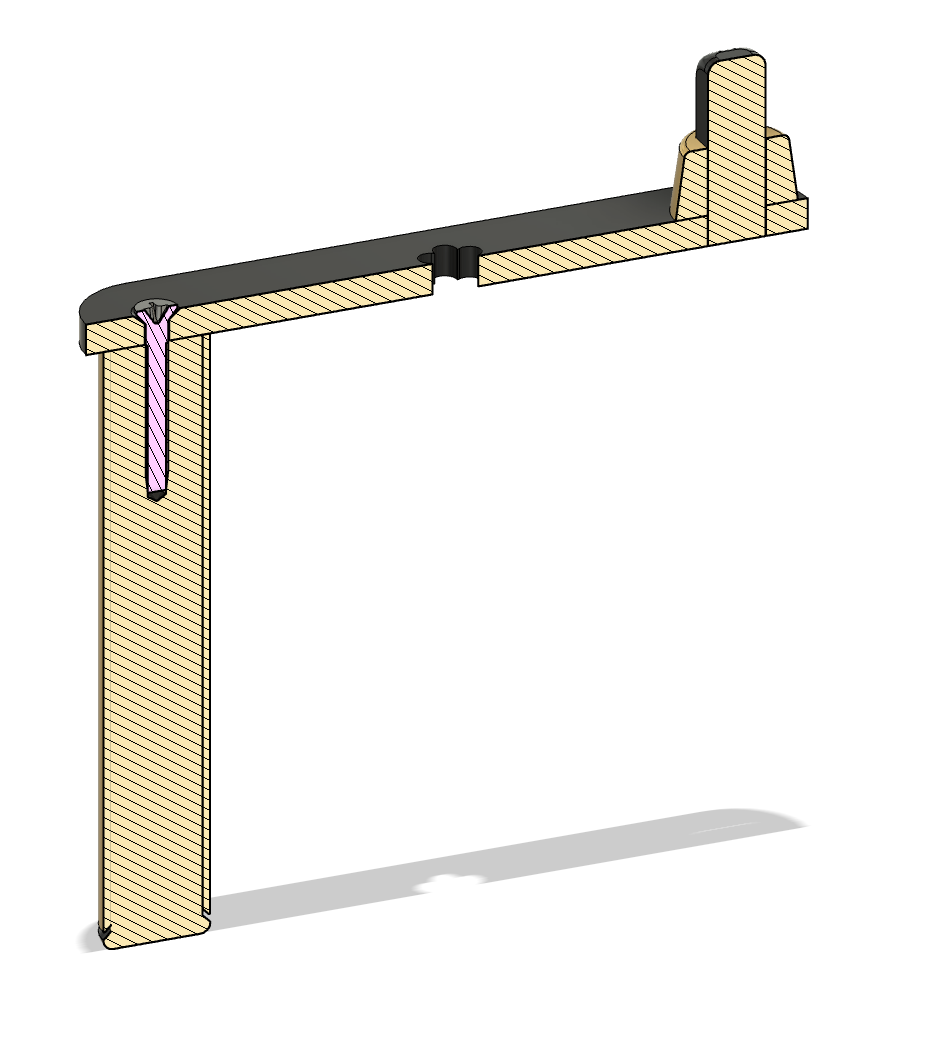
For the crank, a similar assembly was created including all required elements. Brass was used for the handle, alond with the stopper, and steel was used for the body of the crank, the shaft, and crank insert.

Joining methods included press fitting as well as the screw. The componenets were finished through sanding and powder coating.

Build

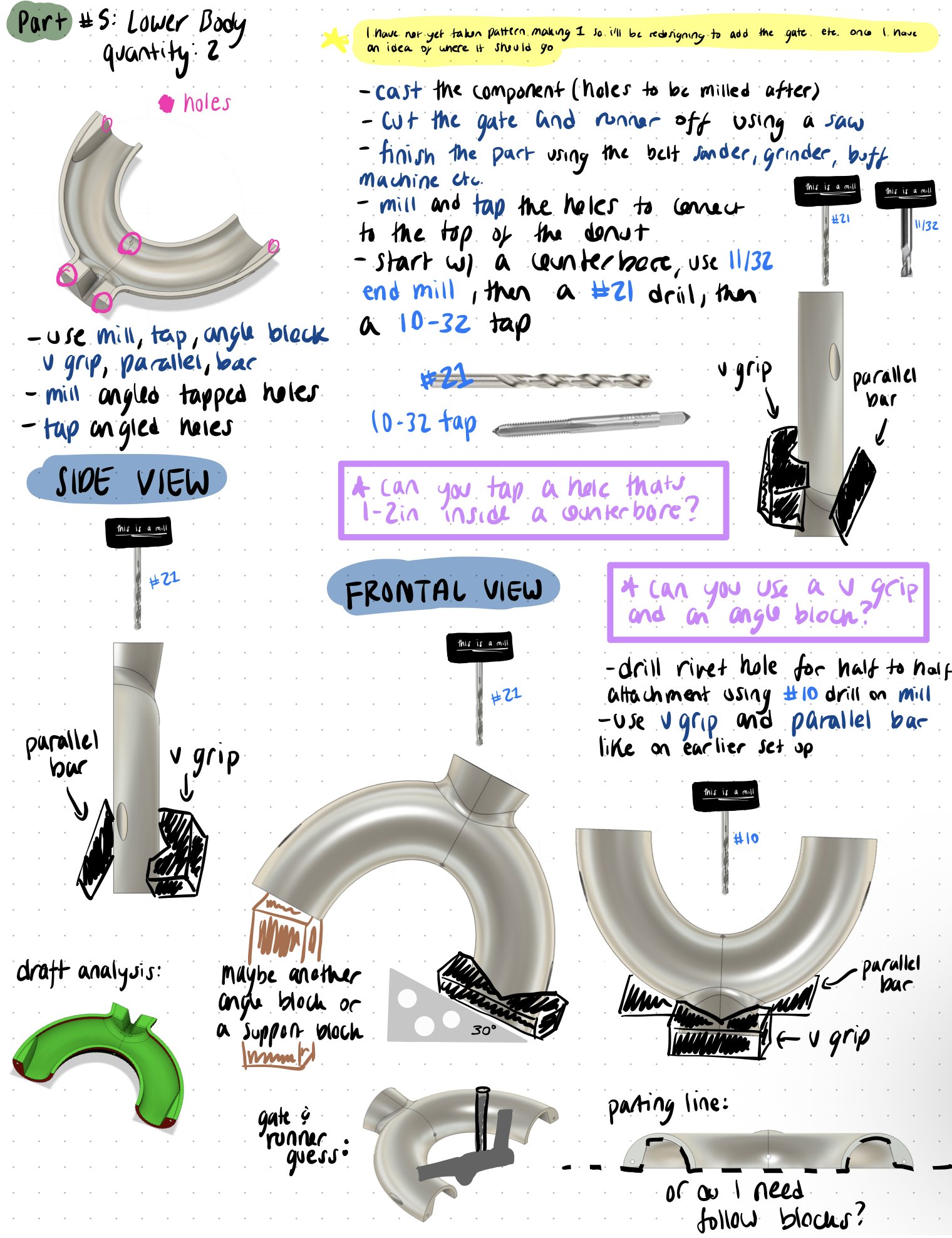
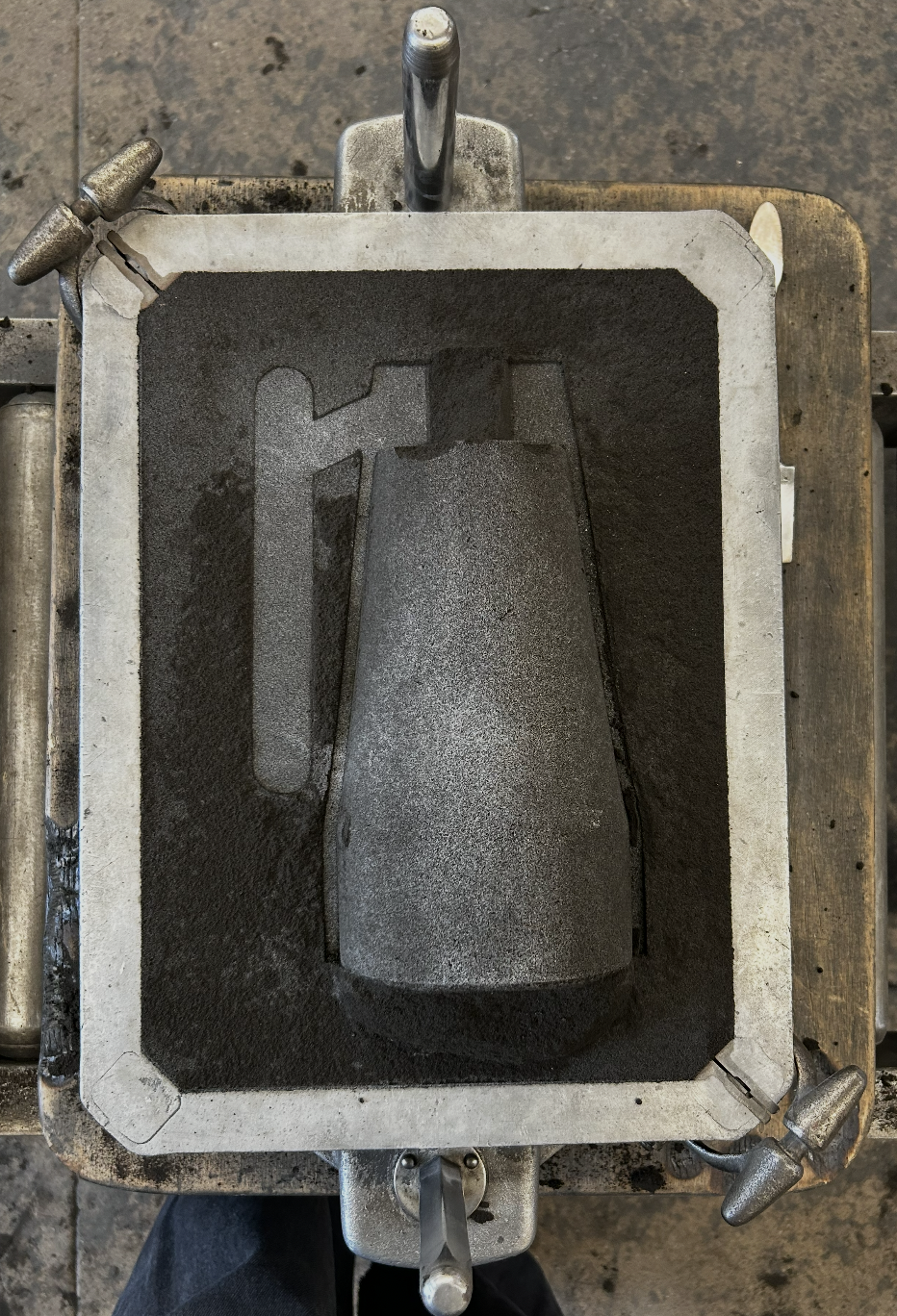
Prior to building, a thorough operations sequence document was created for both the original and final projects. For sand casting, materials were provided by the Stanford Product Realization Lab, scavenged from scrap, and purchased from Alan Steel.
Operations sequence guides included the manufacturing method, any necessary fixturing, and the exact tools and sizes required.

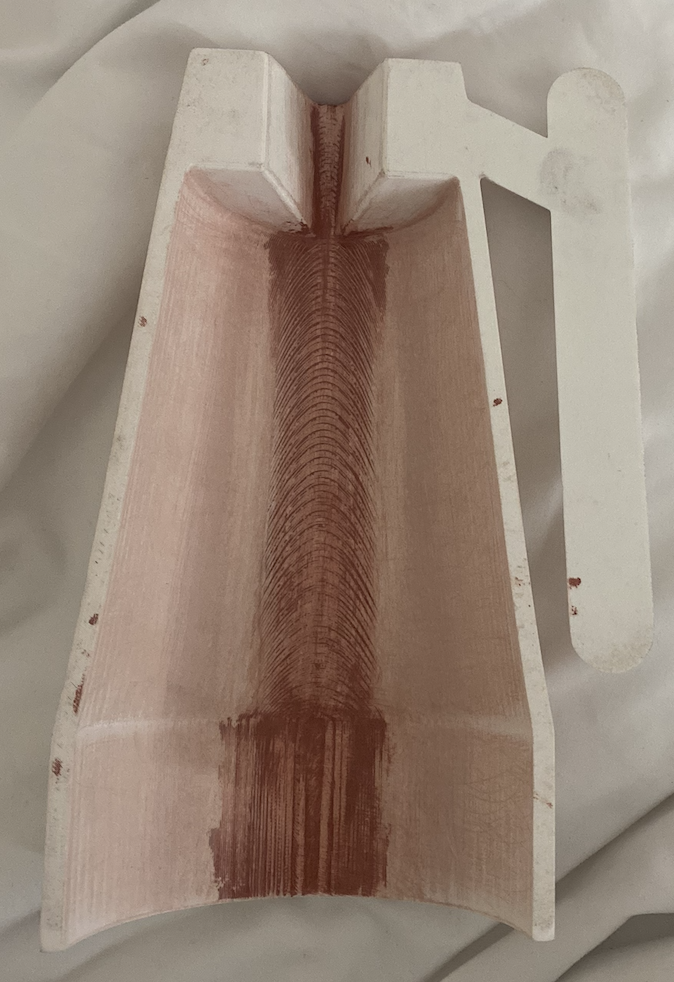
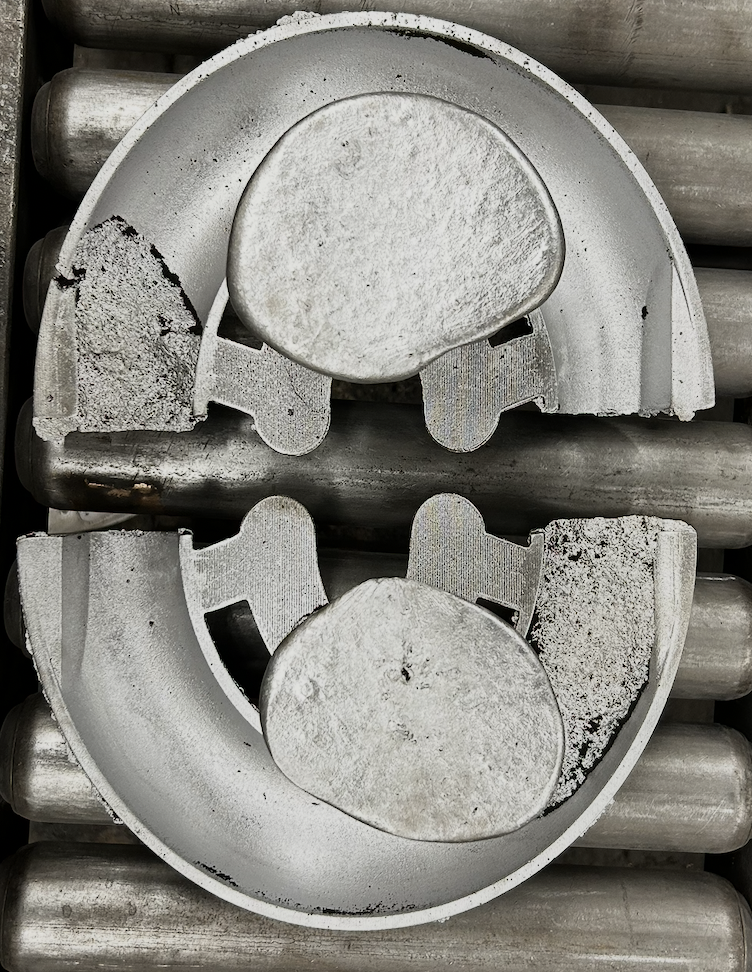
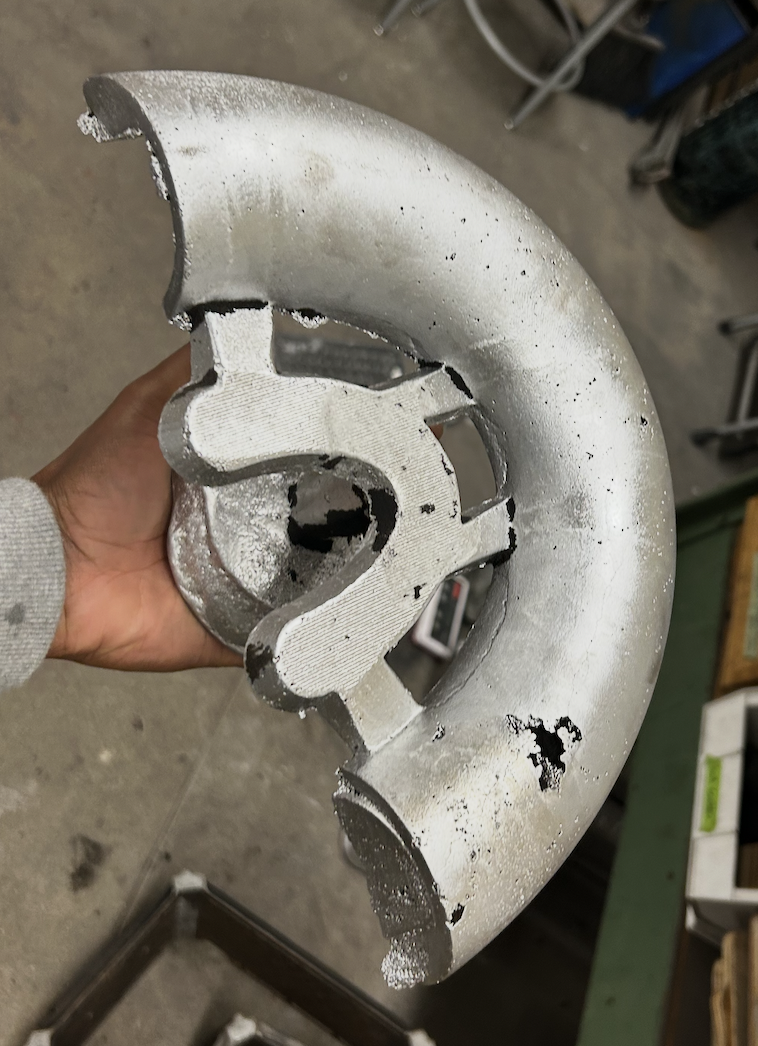
Cast parts were designed intentionally with appropriate draft angles, 3D printed, sanded, filled in witih putty prior to being cast and poured with aluminum. Sprues were designed to optimize flow. Through several iterations of designs, errors continued to occur that made it not feasible timewise to compelte the project.
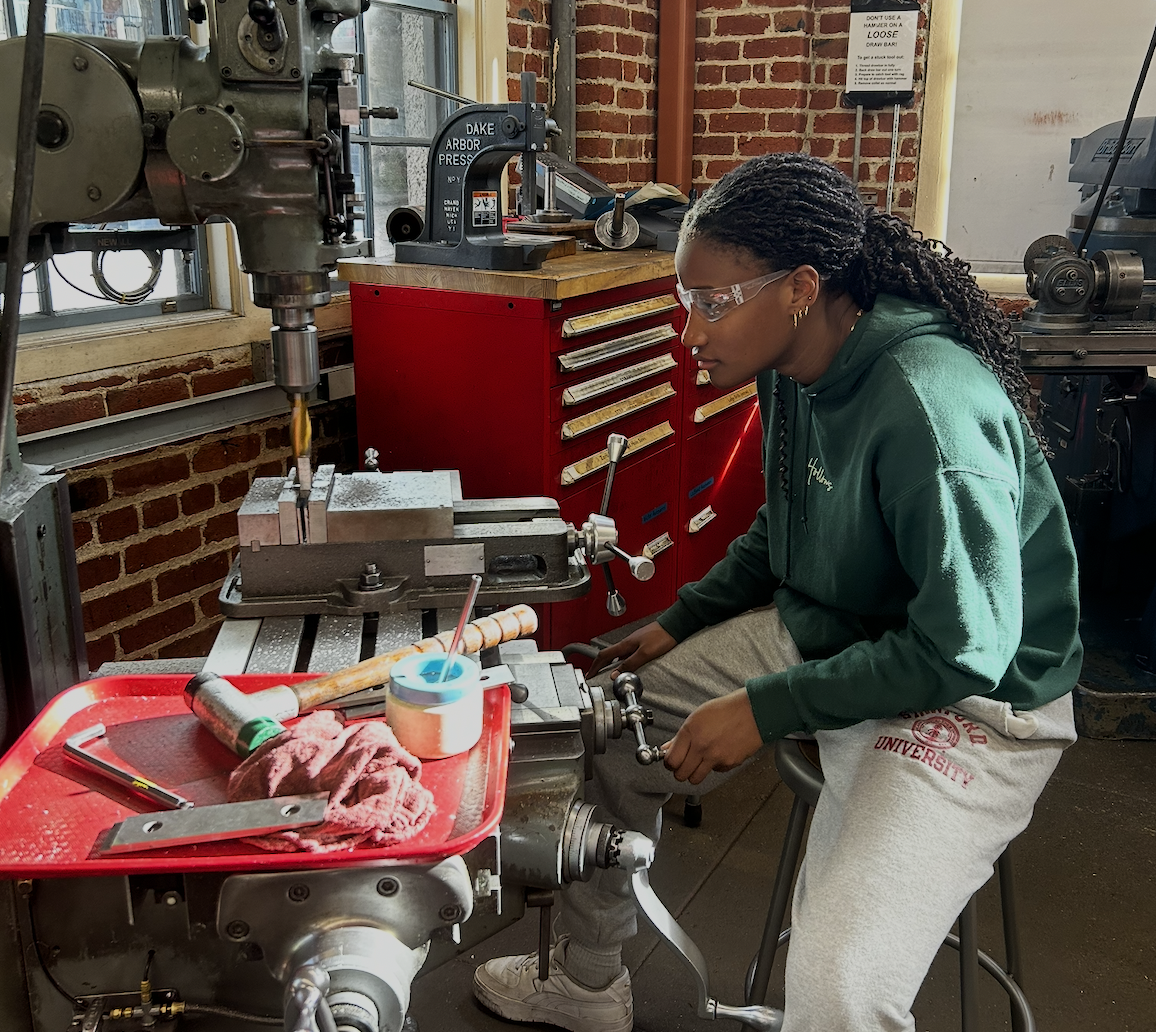
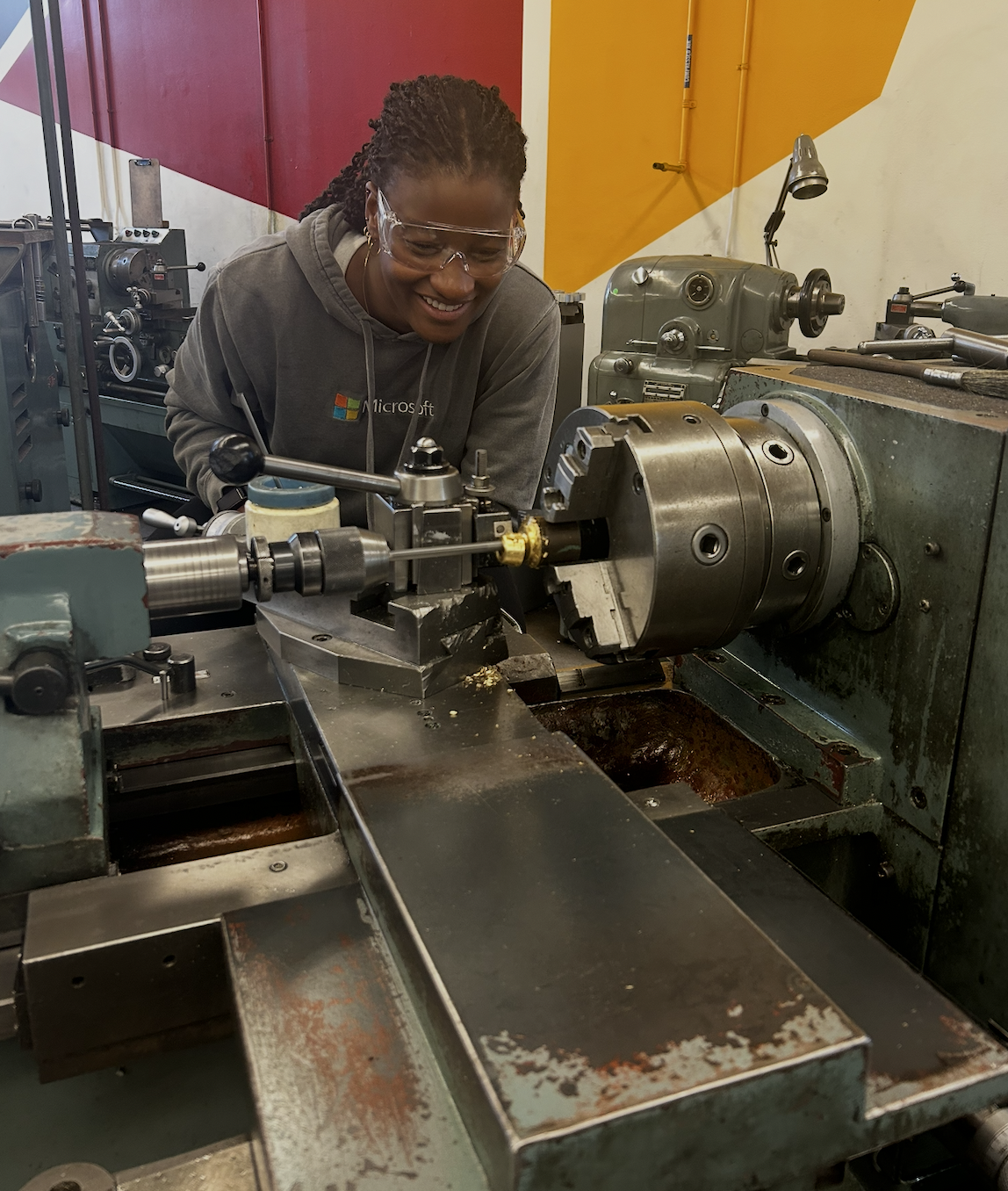
The pivote invovled a rapid buliding process - finalizing the design, creating the operations sequence, and executing the build occured over a short period, emphasizing the proficiency developed on all machinery. The building process involved many hours at the mill, lathe, in the welding room, and in the sandblasting and powder coating shed for the final product.

Reflections

This project was my first time machining using the mill and lathe, learning to weld, use the tube bending machine and countless other instruments in the Product Realization Lab (PRL). It was a difficult process due to the failed castings and late pivot, and I do wish I would've heeded the warnings of my peers regarding the difficulties of casting since my project requried so many cast parts. Regardless it was a great learning experience, I'm confident in my casting skills, and became extremely proficient on the other machining operaitons, set up and fixturing and finishing in the PRL. This project was difficult but extremley fun, and inspired me to create more projects of my own.